

Skip to content
SoCCS, Sotogrande Cat Care Society
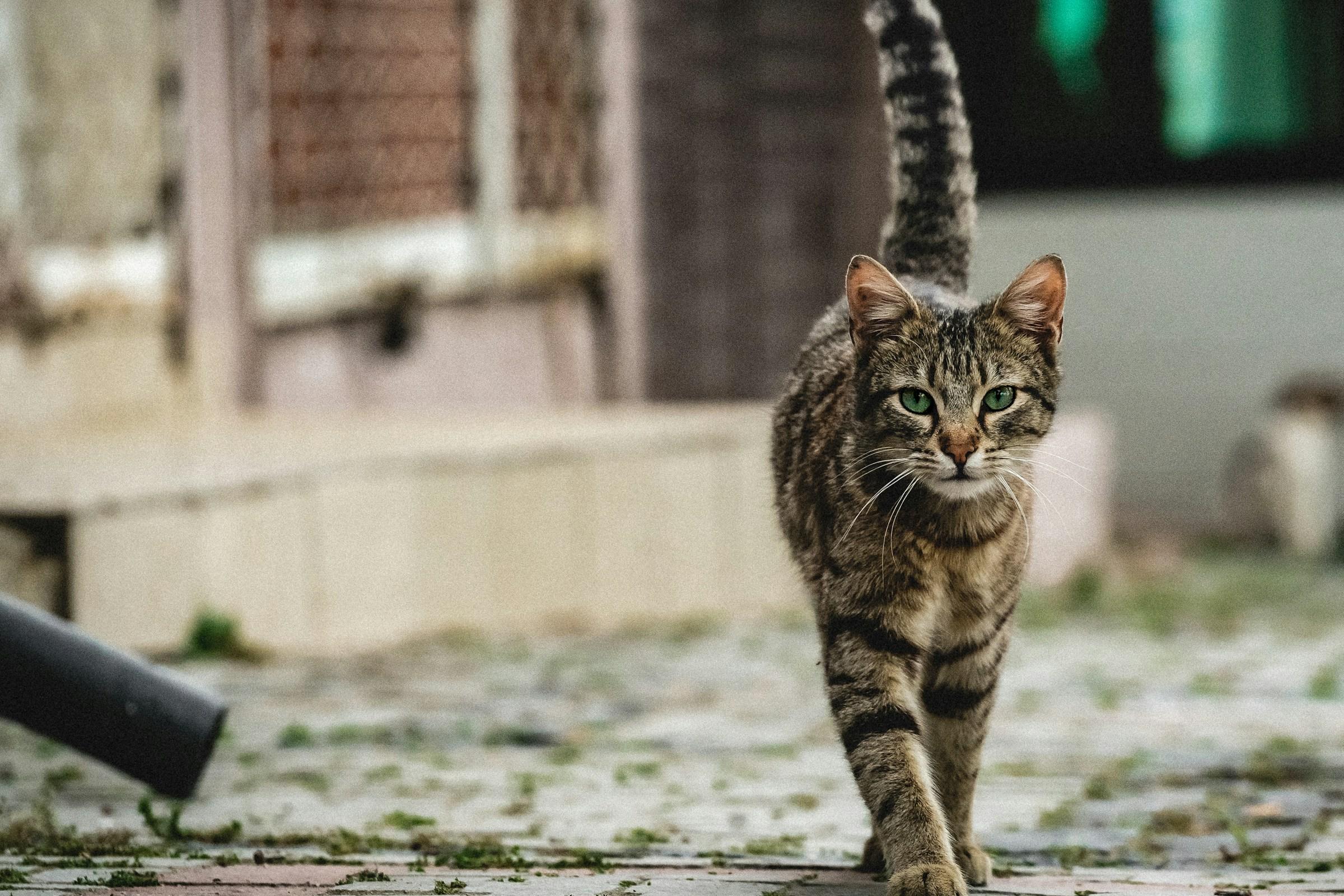
Tabby cat walking towards the camera on a cobbled street

Caring for Sotogrande’s cats, colony by colony

Approximately 200 street cats live in eight colonies here. Volunteers look after every one through trap, neuter, return (TNR) and a feeding round every day of the year.

~200
cats in our care
8
established colonies
1,500+
cats neutered
ZERO
government support

Our work in Sotogrande

Fewer kittens born on the street

SoCCS works with residents, businesses and local authorities to manage the street cat colonies in and around Sotogrande. We don’t run a shelter and we can’t rehome cats. What we do is keep the colonies healthy and stable, so the cats can live decent lives where they already are.

01

Trap, neuter, return (TNR)

TNR means we trap a feral cat humanely, a partner vet neuters it, and we return it to the colony it knows. The cat keeps its home and its group; it just stops producing litters. Done colony by colony, TNR is the only method shown to bring street cat numbers down permanently and without cruelty.


02

Feeding, every day of the year

Volunteers feed all eight colonies daily, through Christmas and through the August heat. Regular food keeps the cats healthy, and it keeps them from wandering into new areas to look for it. The feeder is also the first person to spot when a cat is sick or hurt.

03

Vet care for colony cats

Our partner vets treat sick and injured colony cats. A cat that needs somewhere quiet to recover stays with a volunteer foster home, then goes back to its colony.

Learn more

3 in 4

Why neutering comes first

Approximately three in four kittens born outdoors die before they reach six months old. A street cat’s litter is usually three to six kittens, four on average, and a female can have two or three litters a year. Her daughters can have kittens of their own from around six months old.

Even with those losses, one unneutered female and her daughters can produce hundreds of kittens within five years. If they all survived, it would be thousands within three.

Neutering stops that cycle before it starts. Fewer kittens are born into hunger and sickness on the street, and once at least 75% of a colony’s cats are neutered, the colony gets smaller over time.

Community cats are protected by law

Spain’s animal welfare law, Ley 7/2023, protects the cats in our colonies as companion animals (article 38). Under it, these are offences:

Injuring or killing an animal can also be a crime under the Criminal Code (article 340 bis), with prison sentences of up to two years. Fines can come with a ban on keeping animals for up to 10 years (article 77).

If you see any of this happening, report it to the Policía Local or the Guardia Civil (SEPRONA).

SoCCS does not take in cats and cannot find them new homes. If you can no longer keep your cat, please contact an animal protection centre or one of the charities on our associates page.

See our associates
  • Abandoning a cat

    Including leaving one at a colony (articles 25 and 42). A serious offence.

    Fine €10,001 to €50,000

  • Harming or mistreating a cat

    Causing harm or suffering is a serious offence (articles 25 and 74). If the cat dies, it is very serious (article 75).

    Fine €10,001 to €200,000

  • Moving or removing cats

    Taking cats out of their colony or relocating it, except in the few cases the law allows (articles 42 and 74).

    Fine €10,001 to €50,000

  • Killing community cats

    Nuisance, numbers or age are never a reason. A vet may only put a cat to sleep to end suffering that cannot be treated (articles 27, 42 and 75). A very serious offence.

    Fine €50,001 to €200,000

  • Interfering with feeding points

    Taking, damaging or emptying the colony’s bowls, food, water or shelters. The law requires everyone to respect them (articles 41 and 73).

    Fine €500 to €10,000

Vets and fellow charities

We don’t do it alone

Vets and fellow charities along this coast make our work possible. These are the friends who help SoCCS keep the colonies healthy.

Meet our associates

Join the volunteers

Could you spare a few minutes?

Feeding rounds, trapping for TNR, transport, fostering, fundraising. There’s a job for almost anyone, with whatever time you have.

Volunteer with us